why make this recipe
Creating your own sourdough starter is a rewarding experience that connects you to the art of baking. Not only does it help you develop a deeper understanding of fermentation, but it also adds distinct flavors and textures to your bread. With just flour and water, you can cultivate wild yeast and bacteria that make sourdough uniquely delicious. Plus, having a fresh starter at home can lead to endless baking possibilities!
how to make sourdough starter
To get started on your sourdough journey, you will need to follow a simple process. Patience is key here, but it’s quite engaging to watch your starter come to life!
Ingredients:
- 120g all-purpose flour
- 120g whole wheat flour
- 240g water (room temperature)
Directions:
- In a mixing bowl, combine equal parts of all-purpose flour and whole wheat flour.
- Add water and stir until there are no dry bits remaining. The mixture should have a thick, batter-like consistency.
- Cover the bowl loosely with a cloth and let it sit at room temperature for 24 hours. This is where the magic begins!
- After 24 hours, discard half of the mixture (this helps to control the growth and strength of the starter). Then feed it with 120g of flour and 120g of water.
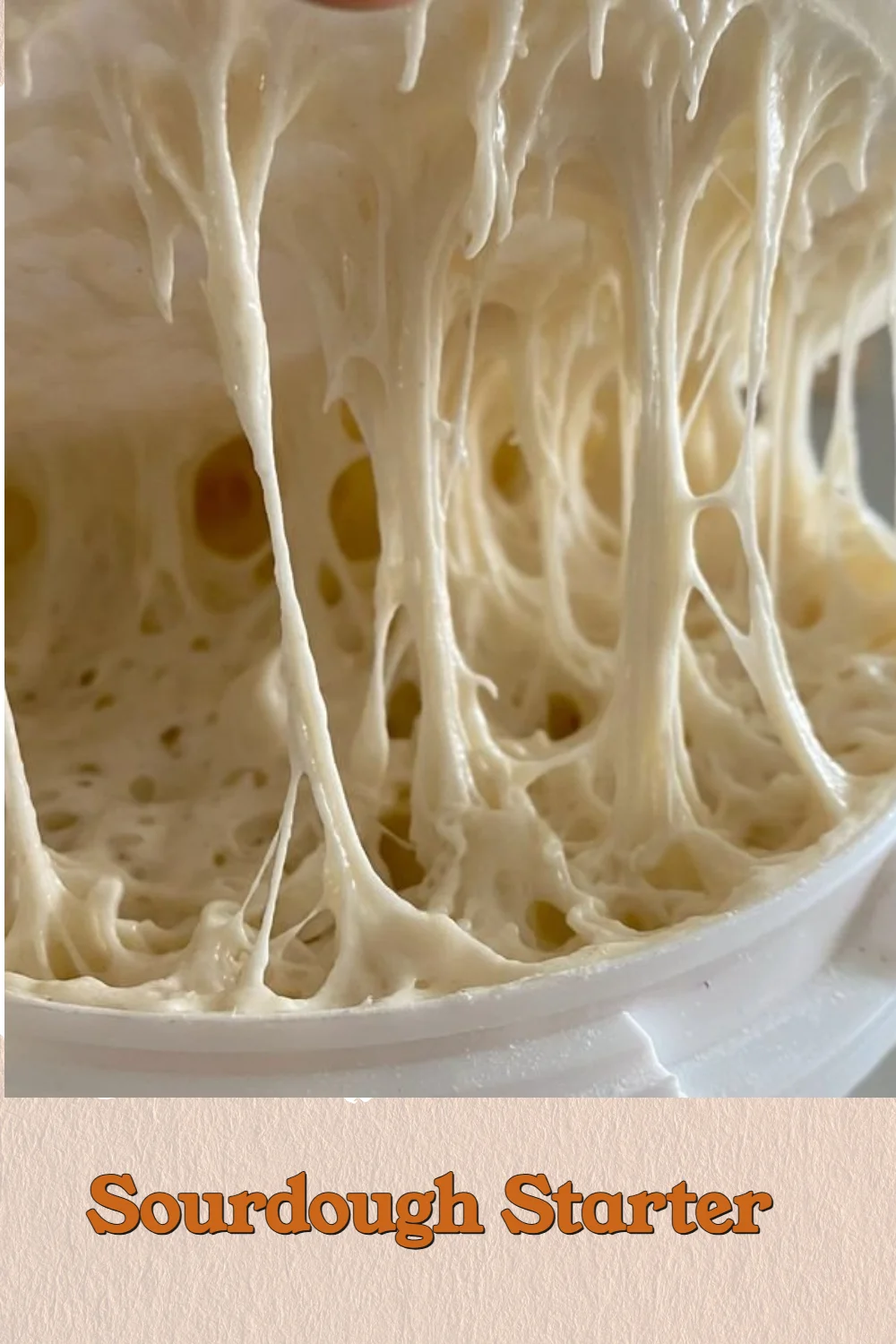
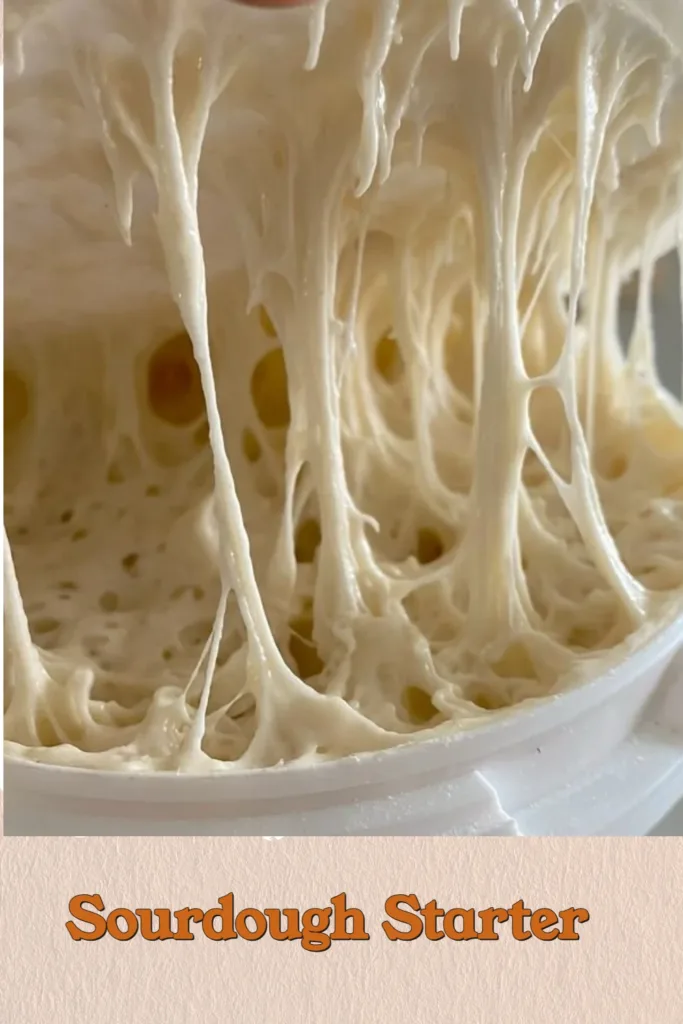
- Repeat this process every 24 hours for about 5 to 7 days. Your starter is ready when it is bubbly and has doubled in size, which means it’s full of active yeast!
how to serve sourdough starter
Your freshly made sourdough starter can be used to bake a variety of sourdough bread recipes. Simply take a portion of it, mix it with flour, water, and salt, and follow your favorite sourdough bread recipe. The possibilities range from crusty loaves to soft rolls!
how to store sourdough starter
If you’re not baking every day, you can store your sourdough starter in the refrigerator. Just make sure to feed it once a week to keep it active. When you’re ready to bake, take it out, let it come to room temperature, and feed it a few hours beforehand to wake it up!
tips to make sourdough starter
- Use filtered or bottled water if possible, as chlorine in tap water can affect the fermentation process.
- Maintain a warm environment for your starter; around 75°F to 80°F is ideal.
- Use a clear container so you can easily see the growth of your starter.
variation
You can experiment with different types of flour to create unique flavors in your sourdough starter. Try rye flour or spelt flour for a different taste and aroma!
FAQs
Q1: How do I know if my sourdough starter is ready to use?
A1: Your starter is ready when it doubles in size within 4 to 6 hours after feeding and is bubbly on the surface. It should also have a pleasant, slightly tangy smell.
Q2: What if my starter isn’t bubbling?
A2: If your starter isn’t bubbling, make sure it’s warm enough and that you’re feeding it regularly. Sometimes, it just needs a little more time or a warmer spot to thrive.
Q3: Can I use whole wheat flour only for my starter?
A3: Yes, you can use only whole wheat flour! It might ferment a bit faster, but it will still yield a tasty starter. Just remember to maintain regular feedings.
Embrace the joy of creating your own sourdough starter! You’ll be amazed at how simple it is to nurture that perfect natural yeast, bringing delicious homemade sourdough bread into your kitchen. Happy baking!
Sourdough Starter
Ingredients
Method
- In a mixing bowl, combine equal parts of all-purpose flour and whole wheat flour.
- Add water and stir until there are no dry bits remaining. The mixture should have a thick, batter-like consistency.
- Cover the bowl loosely with a cloth and let it sit at room temperature for 24 hours.
- After 24 hours, discard half of the mixture and feed it with 120g of flour and 120g of water.
- Repeat this process every 24 hours for about 5 to 7 days until the starter is bubbly and has doubled in size.