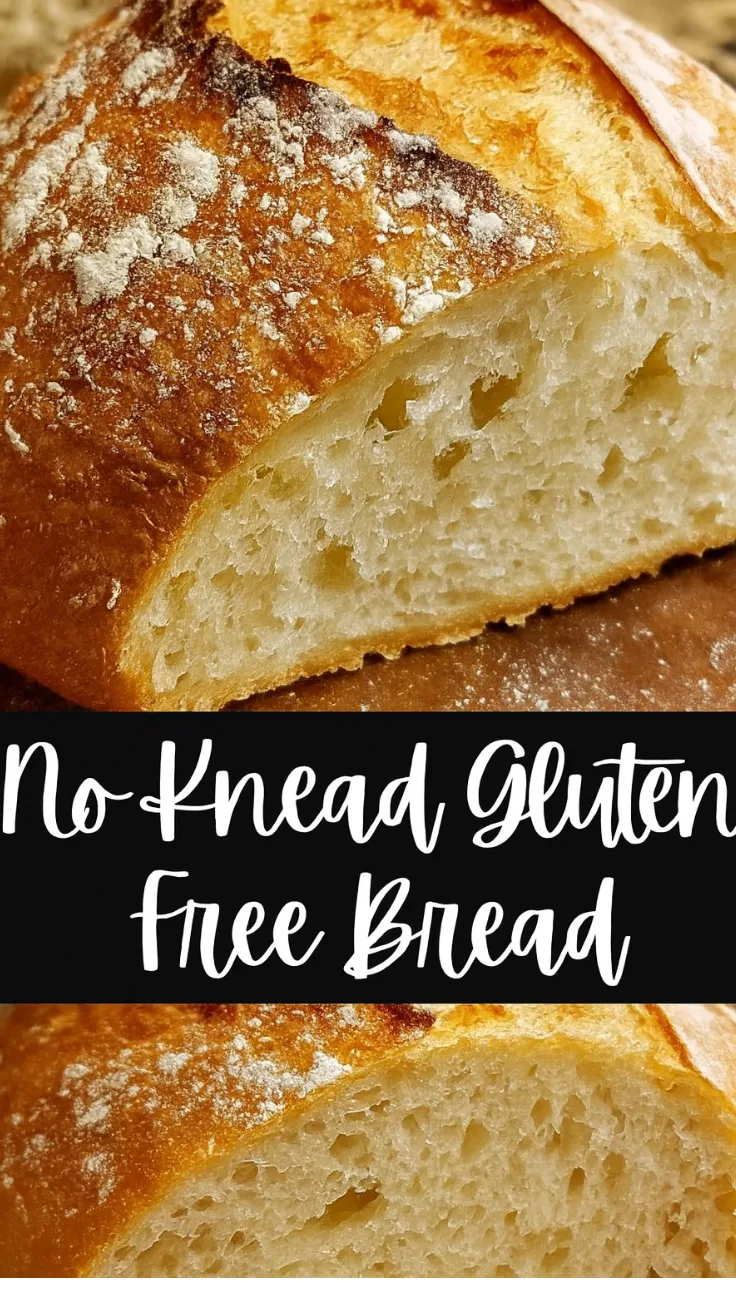
Why No Knead Gluten Free Bread Is a Game Changer
No Knead Gluten Free Bread has become one of the most popular homemade bread options for bakers seeking simplicity without compromising texture or flavor. This method offers all the satisfaction of freshly baked bread without kneading, making it ideal for beginners, busy home cooks, or anyone wanting a reliable gluten-free loaf that turns out beautifully every time. Because gluten-free flours behave differently from wheat-based doughs, many people struggle to create a loaf that rises properly and develops the right crumb. That is why this recipe stands out. It uses a clever hydration ratio and a long resting process to produce a tender interior and a crisp, golden crust. Making No Knead Gluten Free Bread at home also means full control over the ingredients, ensuring your loaf contains no additives, preservatives, or unnecessary fillers often found in store-bought versions. Whether you enjoy bread with savory spreads, breakfast toppings, or as a complement to soups and curries, this recipe delivers consistent results. With minimal effort, outstanding flavor, and a forgiving method, this No Knead Gluten Free Bread is destined to become a regular in your kitchen.
What Is No Knead Gluten Free Bread?
No Knead Gluten Free Bread is a simple bread recipe that eliminates the need for kneading, relying instead on a high-moisture dough and resting time to create structure. Since gluten-free flour lacks gluten, the development of elasticity occurs through hydration and the support of binders such as xanthan gum. The “no knead” technique works exceptionally well because the dough is never overhandled, preventing density or gumminess. The mixture is stirred together in one bowl, allowed to rise, then baked inside a preheated Dutch oven for maximum oven spring and crust formation. This method allows the yeast to gradually build flavor while interacting with the starches in the gluten-free flour blend. As a result, the finished loaf has a rustic appearance, a soft crumb, and a pleasant bite similar to artisan-style bread. Whether you are new to gluten-free baking or simply want a dependable recipe, this bread delivers impressive results with minimal steps.
Why You Will Love This Recipe
This No Knead Gluten Free Bread recipe combines convenience, affordability, and versatility. It requires fewer steps than traditional gluten-free bread, making it accessible even for those who seldom bake. Because the dough develops during the resting period, the yeast does the majority of the work. Another reason to love this bread is its flavor. It pairs well with almost any meal, from breakfast to dinner, and works beautifully for sandwiches, toast, or dipping. Perhaps the most compelling reason is cost savings. Homemade gluten-free bread is significantly more economical than store-bought loaves, which can be expensive and often lack freshness. This recipe allows you to enjoy a high-quality loaf at a fraction of the price while avoiding processed ingredients. Additionally, the dough can be customized with herbs, seeds, or natural sweeteners for unique flavor variations. Whether you prefer classic simplicity or creative additions, this bread adapts effortlessly to your taste.
Step-by-Step No Knead Gluten Free Bread Recipe
Ingredients
2 cups gluten-free all-purpose flour
1 teaspoon salt
1 teaspoon instant yeast
1 tablespoon sugar or honey
1½ cups warm water
1 tablespoon olive oil
Optional: 1 teaspoon xanthan gum (only if not included in your flour blend)
Instructions
Mix the Dry Ingredients
Place the gluten-free flour, salt, instant yeast, and sugar into a large mixing bowl. Whisk thoroughly to ensure the ingredients blend evenly. Proper distribution helps the dough rise consistently and prevents clumping during hydration.
Add the Wet Ingredients
Pour in the warm water and olive oil. Using a spatula or wooden spoon, mix until the dough is fully combined. Gluten-free dough will appear sticky and loose, which is normal for this style of bread. Avoid adding excess flour, as higher hydration promotes a better rise.
First Rise
Cover the bowl with plastic wrap or a kitchen towel. Allow the dough to rest in a warm location for 1 to 2 hours until the mixture doubles in volume. The yeast will activate and release gases, giving the dough structure.
Shape the Dough
Preheat your oven to 450°F (230°C). Place a Dutch oven with its lid into the oven to heat. Turn the dough onto a surface lightly dusted with gluten-free flour. Shape the dough gently into a round without overhandling it. The goal is to maintain the air bubbles formed during rising.
Final Rest
Let the shaped dough rest for 30 minutes while the Dutch oven continues to heat. This brief resting period relaxes the dough and promotes expansion during baking.
Bake the Bread
Carefully remove the hot Dutch oven and line it with parchment paper. Transfer the dough into the pot. Cover the Dutch oven and bake for 30 minutes. Afterward, remove the lid and continue baking for 15 minutes to achieve a deep golden crust. The enclosed vessel traps steam, resulting in excellent oven spring.
Cool and Serve
Remove the loaf from the Dutch oven and cool on a wire rack. Once fully cooled, slice and enjoy. Cooling prevents gumminess and ensures clean, even slices.
Baking Science of Gluten-Free No Knead Bread
Gluten-free baking differs significantly from traditional bread-making because it removes gluten, the protein responsible for elasticity and structure. In this recipe, a combination of hydration, yeast activity, and binders takes the place of gluten. The high water content allows starches to gelatinize during baking, creating a tender crumb. Xanthan gum or similar binders provide flexibility and prevent crumbling by trapping gas bubbles produced by yeast. The Dutch oven plays an essential role by mimicking professional steam-injected ovens. Steam keeps the crust soft during the initial baking phase, allowing the bread to expand fully before crisping. Yeast fermentation not only lifts the dough but also enhances flavor through natural acids and alcohols that develop during proofing. Understanding these fundamentals helps bakers achieve consistent results and troubleshoot common issues such as density or dryness.
Variations and Flavor Enhancements
Herb-Infused Gluten-Free Bread
Add dried herbs such as rosemary, thyme, or oregano to the dry ingredients for an aromatic loaf. These herbs enhance savory dishes and pair beautifully with olive oil dips.
Seeded Gluten-Free Bread
Fold in sesame seeds, sunflower seeds, or flaxseeds to add texture and nutrition. Seeds also contribute a nutty flavor that complements the rustic crust.
Sweet Breakfast Loaf
For a naturally sweeter variation, incorporate honey or a small amount of date syrup and add raisins or chopped dried apricots. This creates a wholesome breakfast bread without haram ingredients.
Expert Tips for Perfect Gluten-Free Bread
Use a high-quality gluten-free flour blend that includes xanthan gum or add your own.
Measure accurately, especially liquids, since hydration heavily influences texture.
Always preheat the Dutch oven; the initial burst of heat creates a superior crust.
Allow full cooling before slicing to avoid compression or gumminess.
Store the dough in a warm, draft-free environment for consistent rising.
Storage and Freezing Guide
Store the cooled loaf in an airtight bag or container for up to three days at room temperature. To maintain freshness, avoid refrigeration, which can dry out gluten-free bread. For freezing, wrap slices individually in parchment paper and place them in a freezer-safe bag. Frozen slices reheat perfectly in a toaster or warm oven. Whole loaves can also be frozen and thawed at room temperature before serving.
Frequently Asked Questions
Why is my gluten-free bread dense?
Density often results from insufficient rising time or using a flour blend lacking binders. Ensure the yeast is fresh and the dough rests until doubled.
Can I make this recipe without a Dutch oven?
Yes. Bake the loaf on a baking sheet and place a heatproof tray of water on the oven floor to create steam.
Why is the dough so sticky?
Gluten-free dough requires more moisture than wheat-based dough. Stickiness ensures proper starch gelatinization and a soft crumb.
Can I use active dry yeast?
Yes. Activate it in warm water with the sugar before mixing with the dry ingredients.
Can I add mix-ins like olives or nuts?
Yes, as long as the ingredients are gluten-free and halal.
Additional Recipe Section 1: Gluten-Free Bread Rolls
For those who enjoy the flavor of no knead gluten-free bread but want a more portable option, gluten-free rolls are an excellent alternative. These rolls use a similar high-hydration dough but are portioned into individual servings before baking. They pair well with soups, stews, and sandwiches. Because the dough remains sticky, shaping with oiled hands or a scoop helps maintain consistency. Bake in a preheated oven at 400°F (205°C) for 20 to 25 minutes until golden. The texture mirrors the softness of dinner rolls while retaining the rustic character of the original loaf.
Additional Recipe Section 2: Gluten-Free Flatbread
Gluten-free flatbread is another versatile recipe complementary to No Knead Gluten Free Bread. This dough uses gluten-free flour, water, salt, oil, and a small amount of yeast. After mixing and resting briefly, the dough is portioned and rolled thin. Cooking occurs on a stovetop skillet rather than in the oven. This method produces flexible flatbreads suitable for wraps or serving with dips. The key to softness is maintaining enough moisture and cooking over medium heat to prevent dryness. Flatbread adds an excellent alternative for meals requiring a lighter bread option.